
The global energy landscape stands at a transformative crossroads, where renewable sources have evolved from alternative options to essential pillars of our power infrastructure. As climate concerns intensify and technology costs decline, three renewable energy sources have emerged as the foundation of sustainable electricity generation: solar, wind, and hydroelectric power. These clean energy solutions collectively represent humanity’s most viable path toward reducing carbon emissions while meeting growing electricity demands.
Today’s renewable energy sector harnesses natural, inexhaustible resources that regenerate faster than we consume them. Unlike fossil fuels that took millions of years to form and release harmful emissions when burned, renewable sources provide clean power without depleting finite reserves or contributing to atmospheric pollution. Solar panels convert sunlight into electricity through photovoltaic cells, wind turbines capture kinetic energy from moving air masses, and hydroelectric facilities generate power from flowing water. Each technology offers distinct advantages depending on geographic location, resource availability, and energy requirements.
Understanding these three primary renewable sources empowers individuals, businesses, and communities to make informed decisions about their energy future. Whether you’re a property owner evaluating installation options, an industry stakeholder assessing partnership opportunities, or simply someone committed to environmental stewardship, grasping how these technologies function and their respective benefits provides the foundation for participating in the clean energy transition that’s reshaping our world.
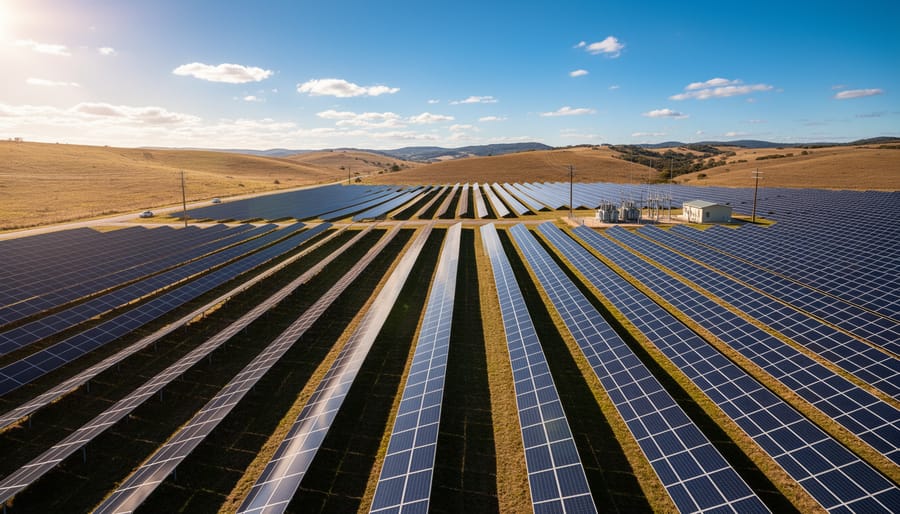
Solar Energy: Capturing the Power of the Sun
How Solar Technology Transforms Sunlight into Clean Power
Solar energy harnesses the power of sunlight through photovoltaic technology, a proven and increasingly efficient method of generating clean electricity. At the heart of this system are solar panels, comprised of multiple photovoltaic cells made primarily from silicon, a semiconductor material with remarkable properties.
When sunlight strikes these photovoltaic cells, photons from the sun’s rays energize electrons within the silicon material, creating an electrical current. This process, known as the photovoltaic effect, converts light energy directly into usable electricity without any moving parts, combustion, or emissions. Each individual cell generates a small amount of power, but when connected together in panels and arrays, they can produce substantial amounts of clean energy.
The electricity generated initially flows as direct current, which is then converted to alternating current through inverters, making it compatible with the power grid and standard electrical systems. Modern solar installations can power individual homes, commercial facilities, or contribute megawatts to utility-scale operations.
The beauty of solar technology lies in its simplicity and reliability. With no fuel requirements and minimal maintenance needs, photovoltaic systems can generate clean power for 25 years or more. As manufacturing processes advance and economies of scale improve, solar energy has become one of the most cost-effective renewable sources available today. This transformation represents a fundamental shift in how we approach power generation, moving away from finite resources toward abundant, sustainable sunlight that reaches our planet every day.
The Environmental and Economic Impact of Solar Projects
Solar energy stands as one of the most transformative renewable sources available today, offering substantial environmental and economic advantages that extend far beyond initial installation. The shift to solar power represents a meaningful step toward reducing our collective carbon footprint while creating tangible financial benefits for communities and property owners alike.
From an environmental perspective, solar projects dramatically decrease greenhouse gas emissions by displacing electricity that would otherwise come from fossil fuel sources. A typical residential solar installation can offset approximately 3 to 4 tons of carbon dioxide annually, equivalent to planting over 100 trees each year. When deployed across entire communities, these individual contributions multiply into significant regional impact, improving air quality and contributing to global climate stabilization efforts.
The economic benefits of solar energy have become increasingly compelling as technology advances and installation costs continue to decline. Property owners who transition to solar power typically experience substantial long-term cost savings, with many systems paying for themselves within 7 to 12 years while continuing to generate free electricity for decades beyond that initial payback period. These savings prove particularly valuable for residential communities, where predictable energy costs help households budget more effectively while insulating them from volatile utility rate increases.
Beyond individual savings, solar projects stimulate local economies through job creation in installation, maintenance, and system monitoring. Communities that embrace solar infrastructure often see property values increase as sustainable energy access becomes a desirable amenity for homebuyers and renters.
The transition to solar energy represents an investment in both environmental stewardship and financial prosperity. As pioneering developers continue advancing these technologies through strategic partnerships with utilities and government entities, the pathway toward accessible, affordable clean energy becomes increasingly clear for communities ready to embrace this renewable resource.
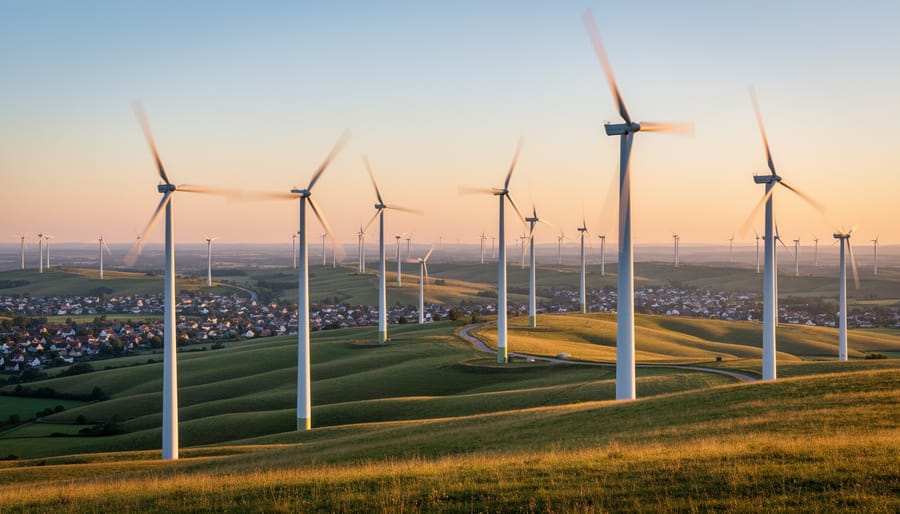
Wind Energy: Harnessing Nature’s Most Abundant Resource
From Breeze to Electricity: Understanding Wind Power Generation
Wind power generation represents one of the most elegant examples of renewable energy technology in action. The process begins when moving air—whether a gentle breeze or a strong gust—encounters the massive blades of a wind turbine. These carefully engineered blades, often spanning over 100 feet in length, capture the kinetic energy present in wind currents and begin to rotate.
As the blades spin, they turn a shaft connected to a gearbox within the turbine’s nacelle, the housing unit positioned at the top of the tower. This gearbox increases the rotational speed to levels suitable for electricity generation. The shaft then drives a generator, which converts the mechanical energy into electrical power through electromagnetic induction—the same fundamental principle discovered centuries ago but now harnessed with remarkable efficiency.
Modern wind turbines can convert approximately 45-50% of the wind’s kinetic energy into electricity, a remarkable achievement considering the theoretical maximum is around 59%. This efficiency, combined with technological advances in turbine design, means today’s wind farms produce clean electricity at increasingly competitive costs.
The environmental advantages are substantial. Unlike conventional power generation, wind turbines produce zero emissions during operation, require no water for cooling, and leave a minimal physical footprint. A single modern turbine can power hundreds of homes while occupying less than an acre of land, making wind energy an exceptionally sustainable choice for meeting our growing electricity demands.
Why Wind Energy Projects Require Strategic Planning
Wind energy projects represent some of the most complex renewable energy initiatives, requiring meticulous coordination across multiple stakeholders and regulatory environments. Unlike smaller-scale solar installations, wind developments demand a comprehensive project management approach that begins long before the first turbine is erected and continues throughout the facility’s operational lifetime.
The foundation of successful wind energy development starts with strategic land acquisition and careful site selection. This process involves extensive collaboration with property owners who understand the long-term value of hosting wind infrastructure on their land. These partnerships are built on mutual benefit, providing landowners with stable revenue streams while contributing to the broader clean energy transition. Securing suitable sites requires careful assessment of wind resources, environmental impact considerations, and proximity to existing electrical infrastructure.
Navigating the regulatory landscape represents another critical dimension of wind project planning. Wind developments must satisfy requirements from multiple government bodies at federal, state, and local levels. This includes environmental assessments, wildlife studies, aviation clearances, and zoning approvals. The permitting process can span several years, making early engagement with regulatory agencies essential to project success. Companies with established relationships and proven track records can navigate these requirements more efficiently, reducing delays and ensuring compliance at every stage.
Equally important are partnerships with utility companies that will ultimately integrate the generated power into the electrical grid. These collaborations involve complex power purchase agreements, grid connection studies, and coordination on transmission infrastructure. Utility partnerships ensure that the renewable energy produced reaches consumers reliably and efficiently.
This multifaceted approach to wind energy development demonstrates why expertise and established relationships matter significantly in the renewable sector. Successful projects require more than technical knowledge; they demand the ability to bring together diverse stakeholders around a shared vision of sustainable energy production. Companies that excel in this collaborative environment become valuable partners in accelerating the renewable energy transition while delivering tangible benefits to communities and the environment.
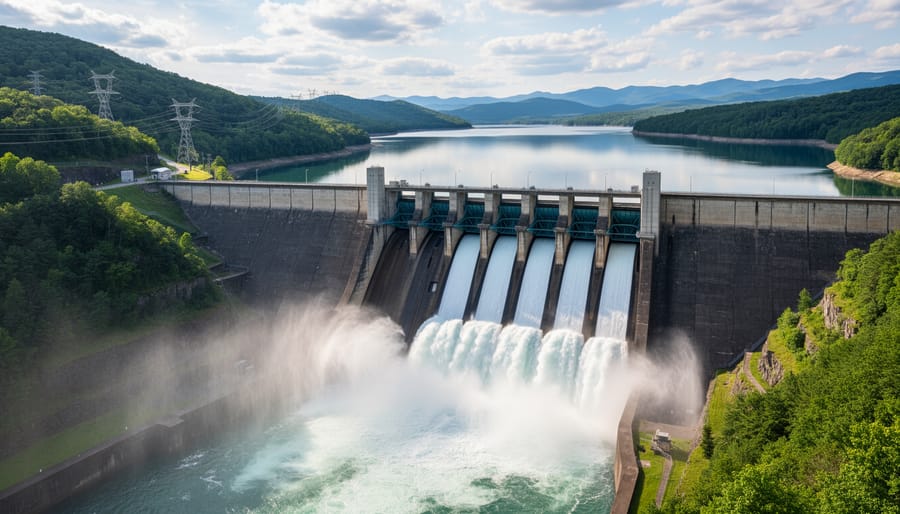
Hydroelectric Power: The Original Renewable Energy Source
How Hydroelectric Systems Generate Consistent Power
Hydroelectric power stands as one of the most reliable renewable energy sources available, harnessing the natural force of flowing water to generate electricity around the clock. Unlike solar and wind energy, which depend on weather conditions, hydroelectric systems can produce consistent power as long as water flows through their turbines. This remarkable reliability makes hydroelectric facilities essential stabilizing forces within modern renewable energy grids.
The technology operates through a straightforward yet elegant process. Water stored in reservoirs flows through large pipes called penstocks, gaining speed and pressure as it descends. This rushing water spins turbines connected to generators, converting kinetic energy into electrical power. The beauty of this system lies in its flexibility—operators can quickly adjust water flow to match electricity demand, making hydroelectric plants ideal for balancing the variable output from solar and wind installations.
Hydroelectric power offers compelling environmental advantages beyond its consistency. Once operational, these facilities produce zero direct emissions while generating electricity. They also create recreational opportunities through reservoir lakes and provide crucial flood control benefits for surrounding communities. Many facilities operate efficiently for fifty years or more, representing long-term investments in clean energy infrastructure.
As renewable energy grids evolve, hydroelectric systems increasingly function as natural batteries, storing energy in the form of elevated water. This pumped-storage capability allows excess power from solar and wind sources to pump water uphill during low-demand periods, then release it to generate electricity when needed most. This synergy between renewable technologies demonstrates how diverse clean energy sources work together to create resilient, sustainable power systems for our future.
Integrating Hydroelectric with Solar and Wind Solutions
The true power of renewable energy emerges when hydroelectric, solar, and wind solutions work together as an integrated system. These three sources naturally complement each other’s limitations, creating a reliable foundation for comprehensive clean energy generation that far exceeds what any single source could achieve alone.
Hydroelectric power excels at providing consistent baseload energy and offers unique storage capabilities through pumped-storage facilities. When solar production peaks during midday or wind generation surges during storms, excess electricity can pump water to elevated reservoirs. This stored energy becomes available instantly when solar panels go dark at night or wind turbines stand still during calm periods. This flexibility makes hydroelectric systems the perfect partner for managing the variable nature of solar and wind resources.
Geographic and seasonal variations further enhance this synergy. Regions with limited water resources often possess abundant sunshine, while coastal areas may have stronger wind patterns. Winter months might bring reduced solar output but increased rainfall for hydroelectric generation and stronger wind currents. By combining all three sources, energy providers can optimize generation based on local conditions and seasonal patterns, ensuring stable power delivery throughout the year.
This integrated approach represents the future of clean energy infrastructure. As pioneering developers in renewable energy, we understand that building resilient energy systems requires strategic partnerships and comprehensive planning. When utilities, government entities, and property owners embrace this multi-source strategy, they create energy independence while maximizing environmental benefits and long-term cost savings.
Building a Sustainable Future Through Renewable Energy Partnerships
The transition to a renewable energy future cannot be accomplished in isolation. It requires dedicated collaboration among diverse stakeholders, each bringing unique expertise and resources to create a more sustainable energy landscape. At Wind Unites Us, we recognize that meaningful progress emerges from building strong partnerships with utility companies, government bodies, property owners, and communities committed to environmental stewardship.
Our approach centers on fostering relationships that benefit all parties while advancing clean energy adoption. By working closely with utility companies, we ensure that renewable installations integrate seamlessly with existing infrastructure, maintaining the grid reliability that communities depend on while significantly reducing reliance on conventional energy sources. These partnerships allow us to optimize energy distribution, balance supply and demand efficiently, and provide stable power generation that meets modern needs.
Property owners play an equally vital role in this collaborative ecosystem. Whether agricultural landowners hosting wind turbines or commercial property managers investing in solar installations, these partnerships create opportunities for revenue generation while contributing to environmental goals. We pride ourselves on developing transparent, mutually beneficial agreements that respect land use needs while maximizing renewable energy production.
Government bodies and regulatory agencies provide the essential framework that enables renewable energy expansion. Through active engagement with policymakers, we help shape regulations that support sustainable development without compromising safety or reliability standards. These collaborative efforts accelerate the deployment of clean energy infrastructure across regions.
As pioneers in renewable energy development, Wind Unites Us remains committed to strengthening these partnerships and expanding our network of collaborators. Together, we are building an energy future that protects our environment, strengthens local economies, and ensures reliable power for generations to come. The path forward demands cooperation, innovation, and shared vision—qualities that define our approach to every project we undertake.
Solar, wind, and hydroelectric power represent far more than alternative energy sources—they embody our collective commitment to a thriving, sustainable future. As we’ve explored throughout this article, each of these renewable sources offers unique advantages that, when combined, create a comprehensive pathway toward energy independence and environmental stewardship. The transition to clean energy isn’t merely a possibility; it’s already underway, with communities worldwide experiencing the tangible benefits of reduced emissions, improved air quality, and long-term economic resilience.
The momentum behind renewable energy continues to accelerate, driven by technological innovation, supportive policies, and growing awareness of our environmental responsibilities. However, realizing the full potential of solar, wind, and hydroelectric power requires collaboration among all stakeholders—from homeowners and businesses to utility companies and government entities.
If you’re ready to explore how renewable energy can transform your operations and contribute to a cleaner tomorrow, now is the time to act. Wind Unites Us stands ready to partner with you in advancing your clean energy goals. With our pioneering expertise in solar and wind project development and our network of strong industry partnerships, we’re uniquely positioned to guide you through every phase of your renewable energy journey.
Together, we can harness the power of these three remarkable resources to create lasting change. The future is renewable, and it begins with the choices we make today.