
Regulatory and compliance requirements for wind energy projects involve securing federal, state, and local permits addressing environmental impact, aviation safety, wildlife protection, and land use before construction can begin. The process typically spans 12 to 36 months and requires coordinated submissions to agencies including the Federal Aviation Administration, U.S. Fish and Wildlife Service, state environmental departments, and local planning boards. Success depends on early engagement, thorough environmental assessments, and proactive stakeholder communication.
Wind energy developers face one of the most rigorous permitting frameworks in the renewable sector, but this comprehensive review process serves a vital purpose: ensuring projects protect communities, ecosystems, and existing infrastructure while delivering clean energy benefits. Rather than viewing compliance as a barrier, leading developers recognize it as the foundation for long-term project success and community acceptance.
The regulatory landscape has evolved significantly as wind energy has matured from experimental technology to mainstream power generation. Today’s requirements reflect decades of research into wildlife behavior, noise propagation, visual impact, and grid integration. Each permit application tells a story about how a specific project will coexist with its environment, from migratory bird patterns to radar interference considerations.
Wind Unites Us has guided dozens of projects through this complex approval process, working alongside federal agencies, state regulators, and local governments to demonstrate compliance while maintaining project timelines. Our experience shows that developers who invest in comprehensive pre-application research and transparent community engagement consistently achieve faster approvals and smoother construction phases.
Understanding what regulators require, and why they require it, transforms compliance from a checklist exercise into strategic project planning. The following sections break down each regulatory category, explain submission requirements, and outline proven strategies for meeting compliance standards efficiently in 2026.
Understanding the Regulatory and Compliance Landscape

Federal Regulatory Requirements
Federal agencies establish the foundational regulatory and compliance requirements that apply to all wind energy projects nationwide, regardless of location. These obligations create a baseline that state and local requirements build upon, making federal compliance the first critical step in any project.
The National Environmental Policy Act drives the most comprehensive federal requirement: a thorough environmental impact assessment. This assessment evaluates potential effects on air quality, water resources, land use, and visual impacts across the project area. For larger installations, this means preparing an Environmental Impact Statement that documents existing conditions, analyzes alternatives, and proposes mitigation measures. Smaller projects may qualify for a less intensive Environmental Assessment, but federal agencies determine which level applies based on project specifics and site characteristics.
Wildlife protection regulations form another essential federal compliance layer. The Endangered Species Act requires developers to identify threatened or endangered species within the project footprint and demonstrate that operations won’t jeopardize their survival or destroy critical habitat. The Migratory Bird Treaty Act adds requirements for protecting bird populations, while the Bald and Golden Eagle Protection Act mandates specific considerations for these species. Projects near eagle habitats often need incidental take permits, which demand extensive pre-construction monitoring and operational mitigation plans.
Federal Aviation Administration coordination ensures wind turbines don’t interfere with aviation safety. Developers must file Form 7460-1 for any structure exceeding 200 feet, providing turbine locations, heights, and lighting plans. The FAA reviews flight paths, airport proximity, and radar systems before issuing determinations that either approve the layout or require modifications to protect airspace.
State and Local Compliance Standards
State-level energy regulations establish the foundation for wind development within each jurisdiction, covering renewable portfolio standards, interconnection procedures, and state environmental review processes. Many states maintain dedicated renewable energy offices that coordinate multi-agency review, while others require developers to navigate separate approvals from environmental, agriculture, and natural resources departments. These state frameworks determine which projects qualify for expedited review, what environmental studies are mandatory, and how power purchase agreements must be structured.
Local governments exercise substantial authority through zoning ordinances that control turbine placement, setback distances, height restrictions, and noise limits. County planning commissions typically define where wind energy facilities can be sited, often through special use permits or conditional use approvals that require public hearings and community input. Municipal authorities set additional conditions covering road use agreements, land disturbance permit requirements and local tax arrangements.
Township and city regulations frequently address visual impact concerns through shadow flicker studies, aviation lighting specifications, and decommissioning bonds that ensure proper site restoration. Some jurisdictions have adopted standardized wind energy ordinances that streamline approvals, while others evaluate each project individually based on comprehensive site plans and impact assessments. Successful navigation requires early engagement with local officials and thorough documentation demonstrating how the project meets community standards while delivering economic benefits through lease payments, tax revenue, and infrastructure improvements.
Essential Permits for Wind Energy Development

Environmental and Land Use Permits
Environmental and land use permits form the regulatory foundation before any physical work begins on a wind energy site. These approvals ensure projects proceed responsibly while safeguarding natural resources and community interests.
The environmental assessment permit represents the cornerstone requirement. This comprehensive review evaluates potential impacts on air quality, noise levels, visual aesthetics, and ecological systems. Federal projects typically require an Environmental Impact Statement or Environmental Assessment under the National Environmental Policy Act, while state-level reviews follow comparable frameworks. The assessment identifies concerns early, allowing developers to modify designs proactively rather than face delays during construction.
Wetlands permits become necessary when project infrastructure, access roads, turbine foundations, or transmission lines, affects jurisdictional waters or wetlands. The U.S. Army Corps of Engineers administers Section 404 permits for wetland impacts, requiring detailed delineation of affected areas and mitigation plans. Even temporary construction impacts trigger permitting requirements, making thorough site surveys essential during planning phases.
Erosion control permits protect soil and water quality during ground disturbance. Most states mandate coverage under their National Pollutant Discharge Elimination System stormwater program for construction activities exceeding one acre. Projects must develop Storm Water Pollution Prevention Plans detailing sediment control measures, inspection schedules, and best management practices. These requirements remain active throughout construction and restoration phases.
Land disturbance approvals from local jurisdictions authorize grading, clearing, and site preparation activities. Counties and municipalities enforce specific standards for vegetation removal, slope stability, and topsoil preservation. Securing these permits requires detailed site plans showing proposed disturbance limits, setbacks from property boundaries, and restoration commitments. Meeting these regulatory and compliance requirements from the outset prevents costly project interruptions.
Construction and Operational Permits
Once environmental and land use approvals are secured, projects move into the construction and operational permit phase, where regulatory oversight shifts from planning to execution and long-term compliance.
Building permits form the foundation of construction authorization. Local building departments review structural plans for turbine foundations, access roads, and associated infrastructure to confirm they meet engineering standards and safety codes. These permits typically require stamped drawings from licensed engineers and proof of adequate insurance coverage. Inspection schedules are established upfront, with multiple site visits occurring as foundations are poured, towers erected, and electrical systems installed.
Electrical interconnection agreements represent one of the most critical compliance documents. These contracts with utility companies define how turbines connect to the grid, specifying technical requirements for voltage, frequency, and power quality. The interconnection study process examines grid capacity and identifies any necessary upgrades to safely accommodate the new energy source. Obtaining final interconnection approval often takes six to twelve months and requires coordination between project engineers, utility technical staff, and grid operators.
Operational compliance requirements extend throughout a project’s lifespan. Most jurisdictions mandate regular reporting on energy production, safety inspections of mechanical systems, and documentation of any wildlife incidents. Many states require annual compliance certifications confirming adherence to noise standards and setback distances. Maintenance activities must align with environmental protections established during permitting, for example, restricting certain work during bird nesting seasons.
Wind Unites Us maintains comprehensive compliance tracking systems that ensure each permit condition is met on schedule, protecting projects from operational delays or enforcement actions while demonstrating responsible stewardship to communities and regulators alike.
Environmental Compliance Standards
Wildlife and Habitat Protection
Wildlife protection stands as one of the most rigorously regulated aspects of wind energy development, with federal and state agencies requiring comprehensive assessments to ensure turbines don’t harm protected species. Before any construction begins, developers must conduct multi-season surveys documenting bird migration patterns, bat activity levels, and nesting sites for raptors and other vulnerable species. These pre-construction studies typically span 12 to 24 months, capturing seasonal variations in wildlife behavior and identifying high-risk periods when turbines might pose threats to specific populations.
The regulatory framework centers on protecting species listed under the Endangered Species Act and the Migratory Bird Treaty Act. Projects in habitats for eagles, whooping cranes, or Indiana bats face particularly stringent scrutiny, often requiring specialized radar monitoring and acoustic surveys that track flight patterns and roosting behaviors. Agencies evaluate collision risk through models that factor in turbine height, rotor sweep area, and local wildlife density.
When surveys reveal potential impacts, developers implement mitigation strategies ranging from seasonal curtailment (reducing turbine operation during peak migration) to habitat enhancement programs that create alternative foraging or nesting areas away from turbines. Some projects install deterrent systems that use acoustic signals or visual cues to guide birds away from rotor zones. Post-construction monitoring continues for several years, verifying that mitigation measures work as intended and allowing adjustments if mortality rates exceed predicted thresholds. This rigorous approach balances clean energy production with genuine wildlife stewardship, demonstrating that responsible wind development protects both climate and biodiversity.
Water and Soil Conservation
Wind energy projects must satisfy specific compliance requirements to prevent soil erosion and protect water quality during construction and operation. Stormwater management permits, typically issued under state or federal Clean Water Act programs, mandate that developers implement detailed pollution prevention plans before any ground disturbance begins. These plans require installing silt fences, sediment basins, and erosion control blankets that capture runoff and prevent sediment from entering nearby waterways.
Soil protection compliance extends beyond stormwater, addressing topsoil preservation and site restoration standards that many jurisdictions enforce. Developers must establish stabilization measures within specific timeframes after disturbance, often requiring rapid vegetation establishment on exposed areas. Ongoing monitoring and maintenance of these controls remains mandatory throughout construction, with regulatory agencies conducting routine inspections to verify compliance.
Post-construction, projects face long-term obligations to maintain vegetative cover around turbine foundations and access roads, preventing erosion that could compromise structural integrity or violate discharge permits. Meeting these water and soil conservation requirements protects local ecosystems while demonstrating the responsible stewardship that communities expect from renewable energy development, ultimately ensuring projects gain and retain their operational approvals.
The Compliance Timeline and Process
Pre-Development Compliance Activities
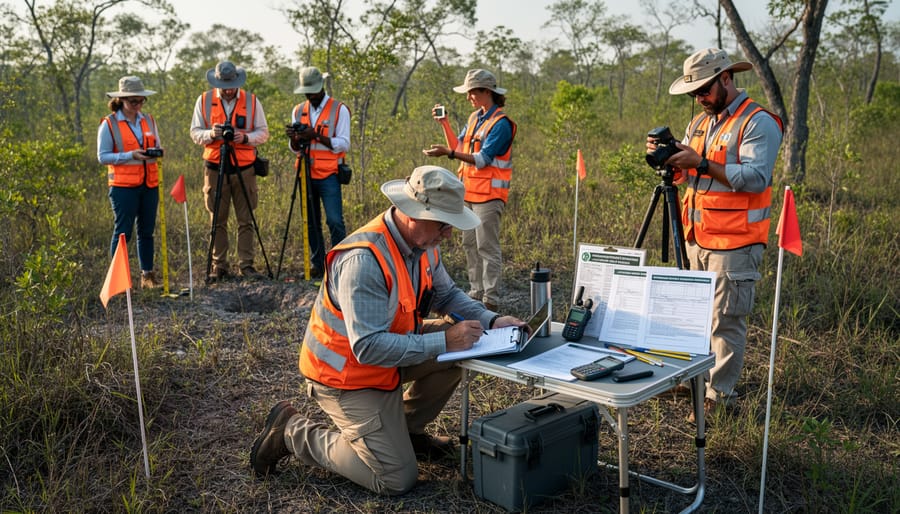
Before breaking ground, wind energy developers must complete several critical compliance activities that lay the groundwork for regulatory approval. These preliminary steps identify potential challenges early, demonstrate due diligence to regulators, and establish the baseline for environmental protection throughout the project.
The process typically begins with comprehensive site assessments that document existing conditions. Environmental baseline studies survey wildlife populations, habitat types, and migration patterns across multiple seasons, often requiring a full year of data collection. Soil and geotechnical studies assess foundation suitability while identifying any contamination or archaeological resources. Meteorological towers collect wind data that informs both project viability and turbine placement decisions that minimize environmental impact.
Simultaneously, developers must engage with regulatory agencies to understand jurisdiction-specific compliance requirements. This involves preliminary consultations with federal agencies like the Fish and Wildlife Service, state environmental departments, and local planning boards. These early conversations clarify which permits will be needed, identify potential red flags, and often reveal opportunities to streamline the approval process through coordinated reviews.
Stakeholder consultation represents another essential pre-development compliance activity. Meeting with property owners, nearby residents, municipal officials, and environmental groups builds transparency and surfaces concerns before formal applications. This community engagement isn’t just good practice, many jurisdictions require documented public outreach as part of permit applications.
Finally, developers submit preliminary permit applications that trigger formal regulatory review. These initial filings typically include project descriptions, preliminary environmental assessments, and proposed mitigation strategies. While not final approvals, these early submissions establish timelines and allow regulators to provide feedback that shapes subsequent detailed applications.
Construction and Commissioning Compliance
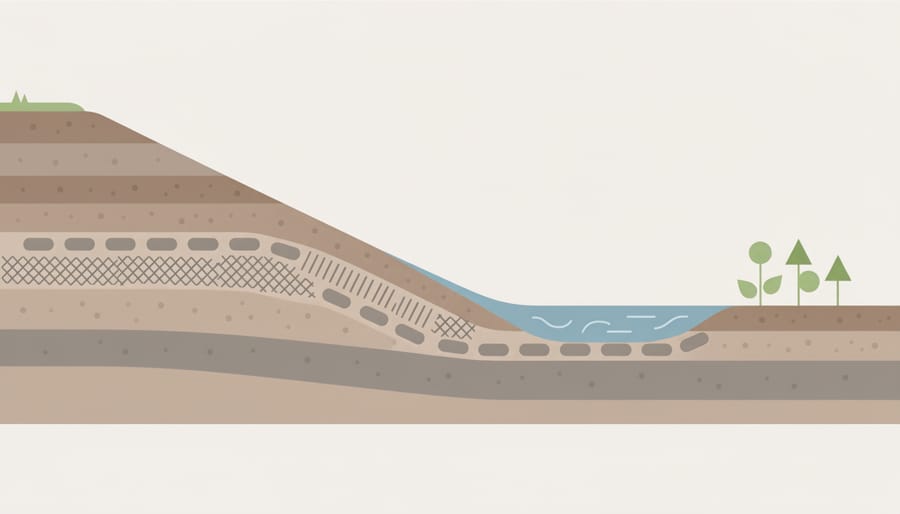
Once construction begins, wind energy projects enter a phase of intensive regulatory oversight where ongoing compliance becomes a daily operational priority. Construction teams must adhere to approved site plans, implement erosion and sediment controls, and maintain required environmental protections throughout the build. Regular inspections verify that turbine foundations, access roads, and electrical infrastructure meet engineering specifications and safety codes. Stormwater management systems require continuous monitoring, and any deviations from approved plans trigger permit modification processes.
As construction nears completion, projects undergo systematic commissioning inspections that verify compliance across multiple domains. Electrical interconnection equipment must pass utility company testing protocols before grid connection approval. Environmental compliance officers conduct final site assessments confirming that wildlife protection measures, wetland buffers, and habitat restoration commitments have been fulfilled. Local building inspectors certify that structures meet code requirements, while FAA representatives may conduct final aviation safety verifications. Only after satisfying all these regulatory checkpoints and obtaining operational certificates can a wind project legally commence commercial power generation. This comprehensive inspection regime ensures that completed facilities meet the full spectrum of regulatory and compliance requirements established during the permitting phase, protecting both public interests and the project’s long-term operational legitimacy.
Building Strong Partnerships for Compliance Success
Meeting regulatory and compliance requirements for wind energy projects demands coordination across multiple stakeholders, each bringing essential expertise and authority to the approval process. Successful projects emerge from deliberate relationship-building with government agencies, utility partners, environmental advocates, and landowners rather than viewing compliance as a series of isolated transactions.
Government agencies at federal, state, and local levels hold permitting authority and set the standards projects must meet. Early engagement with these bodies clarifies expectations, reveals potential obstacles before they become delays, and demonstrates commitment to responsible development. Regular communication throughout the process builds trust and often smooths the path when inevitable adjustments arise. Agencies appreciate developers who approach compliance proactively rather than reactively, treating regulators as partners in achieving safe, environmentally sound energy infrastructure.
Utility companies control grid access and interconnection approval, making their cooperation essential for project viability. Strong utility partnerships established early prevent technical compliance issues and ensure projects meet grid reliability standards. These relationships extend beyond paperwork into genuine collaboration on system planning and integration challenges.
Environmental organizations bring scientific knowledge and community credibility that strengthen compliance efforts. Rather than viewing these groups as obstacles, experienced developers engage them as valuable partners who help identify environmental sensitivities early and design appropriate mitigation strategies. This collaboration often leads to better project outcomes and reduces opposition during public review processes.
Property owners provide more than land rights, they offer local knowledge about site conditions, community concerns, and practical access considerations that affect compliance planning. Transparent communication with landowners about regulatory requirements, construction impacts, and long-term obligations creates advocates who support projects through the approval process.
Since 2004, Wind Unites Us has cultivated these essential partnerships across numerous projects, demonstrating that regulatory success stems from relationship quality, not just technical compliance. Our collaborative approach transforms regulatory requirements from hurdles into shared goals that advance clean energy while protecting communities and ecosystems.
Common Compliance Challenges and Solutions
Wind energy developers consistently encounter several regulatory compliance hurdles that can extend timelines and increase costs if not addressed proactively. Understanding these common challenges and implementing proven solutions helps projects maintain momentum while satisfying all necessary requirements.
Permit coordination across multiple jurisdictions remains one of the most frequent obstacles. A single wind project may require permits from federal agencies, state departments, county authorities, and local municipalities simultaneously. Each entity operates on different timelines with varying submission requirements and review processes. The most effective solution involves early engagement with all relevant agencies through pre-application meetings to understand specific requirements and potential conflicts. Creating a master permit tracking system with clear deadlines and interdependencies allows project teams to sequence applications strategically rather than pursuing all permits simultaneously, which often creates bottlenecks when one delayed permit holds up dependent approvals.
Wildlife assessment data collection presents another significant challenge, particularly when survey windows occur at specific times of year. Missing a bird migration season or bat activity period can delay projects by an entire year while waiting for the next survey window. The solution requires incorporating wildlife survey schedules into project planning from the earliest stages, often beginning surveys before site control is finalized. Working with experienced environmental consultants who understand regional patterns and regulatory expectations ensures data collection meets agency standards the first time, avoiding the costly scenario of repeating surveys due to insufficient methodology.
Documentation requirements can overwhelm project teams unfamiliar with the volume and specificity of information regulatory agencies expect. Incomplete applications trigger review delays and requests for additional information that restart review clocks. Successful developers maintain comprehensive project documentation from day one, including detailed site characterization, engineering specifications, environmental baseline data, and community outreach records. Using digital document management systems with version control ensures team members can quickly compile application packages that address all regulatory questions thoroughly.
Changing regulations mid-project occasionally create compliance challenges when new requirements emerge after initial permits are submitted but before final approval. While frustrating, maintaining open communication with regulatory staff often reveals transition periods or grandfathering provisions that can minimize disruption. Some developers successfully negotiate phased compliance approaches that satisfy new requirements without completely restarting the approval process. This collaborative approach, rather than adversarial positioning, typically yields faster resolutions that keep projects moving forward while meeting updated environmental protection standards.
The comprehensive regulatory and compliance requirements governing wind energy development exist for sound reasons: they protect wildlife, preserve natural resources, ensure community safety, and maintain grid stability. While navigating this multifaceted framework demands expertise and patience, these standards ultimately enable responsible clean energy expansion rather than hindering it. Projects that meet compliance requirements from the outset avoid costly delays, build community trust, and deliver long-term environmental benefits.
Since 2004, Wind Unites Us has successfully guided numerous wind energy projects through federal, state, and local regulatory processes. Our experience spans environmental assessments, permit coordination, stakeholder engagement, and ongoing compliance monitoring. We understand that regulatory requirements are not obstacles to overcome but essential guardrails that ensure wind projects enhance rather than harm the landscapes and communities they serve.
Our strong partnerships with government agencies, utility companies, environmental organizations, and property owners position us to anticipate challenges and streamline approvals. We approach compliance as an investment in project longevity and community acceptance, not a burden. When regulatory requirements are met thoroughly and transparently, wind energy projects gain the social license and legal foundation needed for decades of clean power generation.
By treating compliance as integral to project quality rather than a separate hurdle, we help advance renewable energy goals while protecting the resources that matter most to communities and ecosystems.