
Wind energy gives host communities three clear benefits: cleaner air and a healthier local environment, lasting economic growth, and a more resilient, locally anchored power supply. Each one shows up close to home, in the air residents breathe, the revenue that stays in town, and the steadiness of the power on the grid.
We chose these three because they speak directly to what residents, property owners, and local officials ask first when a project is on the table. Will it improve our environment? Will it strengthen our local economy? Will it help keep the lights on? Wind answers yes to all three, and the benefits build on one another over the life of a project.
At Wind Unites Us, we’ve been a pioneer in bringing community-minded wind development to life, and we’ve seen how much can be achieved when strong partnerships guide the work. Landowners, utilities, and local leaders each play a part, and when they pull in the same direction, the whole community gains.
The sections below take each benefit in turn, starting with the cleaner air and healthier surroundings that wind makes possible.
How We Chose These Three Community Benefits
Not every advantage of wind power belongs on a short list. We focused on benefits that people can see and feel in the places where turbines are built, and that hold up across many kinds of communities, from farming towns to growing suburbs. Each one also matters to the full range of people involved: residents, property owners, utilities, and government partners.
Our shortlist reflects four simple criteria:
- Local impact: the benefit is felt close to the project, not just on a national scale.
- Broad relevance: it applies to a wide range of communities and stakeholders.
- Long-term value: it keeps delivering well beyond construction.
- Environmental stewardship: it supports a cleaner, healthier landscape.
These three benefits span the environmental, economic, and infrastructure sides of wind development. They draw on nearly two decades of project experience, from land acquisition through environmental compliance, so the picture is a grounded one you can trust.
1. Cleaner Air and a Healthier Local Environment
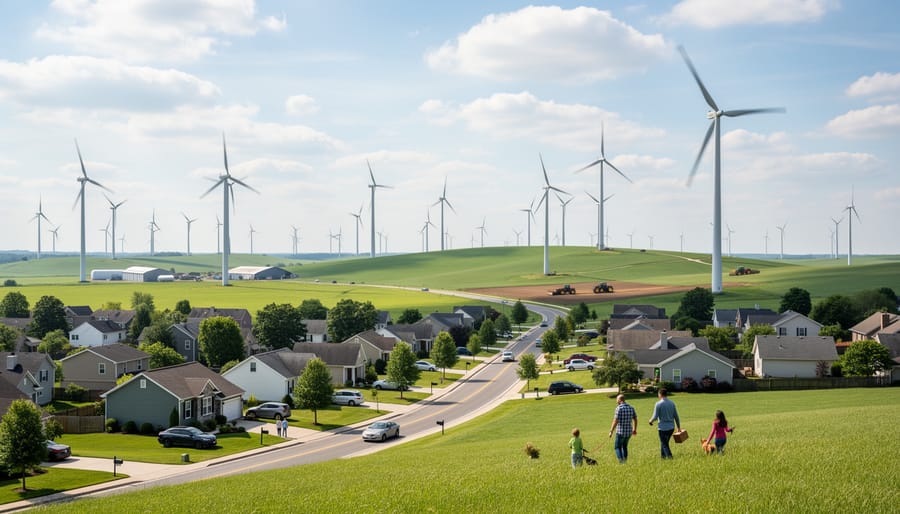
Wind turbines turn moving air into electricity, and that simple fact is the foundation of their environmental appeal. Because they generate power without burning fuel, they produce no operating air emissions. For the families, farmers, and workers living near a project, that means electricity made without adding to local air pollution or greenhouse gas output.
Every megawatt-hour produced by wind also lessens the demand placed on conventional energy sources. As more clean power enters the grid, communities gain a cleaner mix of electricity and take a meaningful step toward long-term climate goals. Wind generation uses very little water as well. Many traditional power plants rely on large volumes of water for cooling, while wind turbines need almost none to operate, which helps conserve local water supplies for homes, crops, and wildlife.
That compatibility is one of wind’s most welcome strengths. Turbines occupy only a small footprint, which leaves the surrounding fields open for planting, grazing, and harvesting. Property owners can continue the work their families have done for generations while hosting infrastructure that supports a cleaner energy future.
Responsible development keeps this balance intact. Careful siting, environmental review, and thorough regulatory compliance help protect local ecosystems, habitats, and waterways before a single turbine is raised. At Wind Unites Us, nearly two decades of experience shape how projects are planned, so the environmental benefits reach the community without compromising the land it cherishes.
2. Lasting Economic Growth for Local Economies
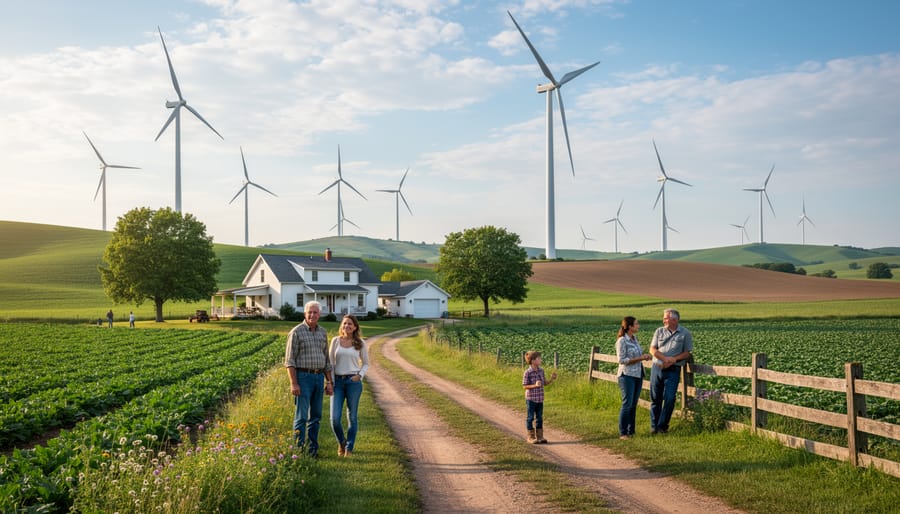
When a wind project comes to town, the investment stays local. Revenue flows to the people and institutions that host the turbines, and it keeps flowing long after the last blade is raised. Here is how that plays out in practice:
- Landowner lease income gives participating property owners a steady, predictable revenue stream.
- Construction and long-term operations and maintenance jobs put local workers on the project.
- Expanded tax revenue can help fund schools, roads, and public services.
- Local suppliers, restaurants, and lodging businesses see added demand during construction.
Lease payments are especially valuable for farmers and ranchers, who can keep working their land while earning dependable income from the turbines on it. Each project also creates demand for skilled technicians, and a well-run site has a strong capacity factor, which means a long, productive operating life and stable maintenance work for the community.
None of this happens by accident. These benefits become real through strong partnerships between the developer, property owners, government bodies, and utilities. When each group understands its role and trusts the others, projects move forward smoothly and the community feels the gains sooner.
That is where Wind Unites Us’s full-service approach makes a difference. Because we handle land acquisition, project management, and environmental compliance under one roof, we can build lasting relationships with everyone at the table, from the first conversation with a landowner to the final agreement with a utility. Nearly two decades of pioneering work in wind and solar have taught us that when partners are aligned, the whole community prospers.
3. A More Resilient, Locally Anchored Power Supply
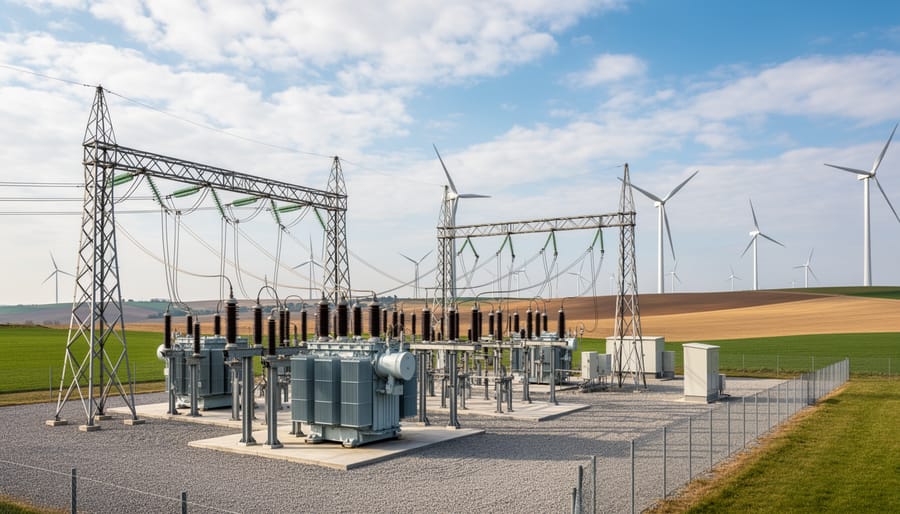
A community that generates part of its own power has more choices when it plans for the future. Locally sited wind adds a domestic source of electricity to the grid, and that diversity is what makes a power supply resilient. Instead of leaning on a single resource, utilities and municipalities can draw on a mix, with wind working alongside solar and other sources rather than standing in for them. Wind often produces strongly at different times than solar does, so the two complement each other well.
Wind also generates electricity without fuel. There are no fuel deliveries to schedule and no fuel invoices to absorb, which means the cost of generating that power stays insulated from swings in fuel prices. For utilities and local governments building long-term energy plans, that predictability is valuable. It lets them project costs and capacity with greater confidence over many years.
Capacity becomes real when you translate it into households. Since 2004, Wind Unites Us has developed 139.2 MW of installed clean wind and solar capacity, enough to serve approximately 57,000 average residences annually. That is our own track record, and it shows how a project’s megawatts turn into lights, appliances, and heating in actual homes.
Connecting generation to those homes depends on strong relationships. Our long-standing partnerships with utility companies are the link that carries power from a wind project to the people who use it, and they keep each project aligned with what the local grid actually needs.
Common Questions About Wind Energy in Local Communities
Can wind farms coexist with farming and ranching?
Yes. Turbines occupy a small footprint, so crops and livestock can continue right up to the base of each tower. Many property owners value this because the land keeps earning from agriculture alongside steady lease income.
How are projects reviewed for environmental impact?
Developers work through environmental compliance steps with the appropriate regulators before construction begins. These reviews look at wildlife, habitats, and local land conditions so the project fits its surroundings.
Who benefits financially from a wind project?
Participating property owners receive lease payments, and local governments gain expanded tax revenue. Nearby businesses and workers also benefit from construction and ongoing operations. Property owners curious about how upfront costs are handled can read about the lease acquisition fee and how it works.
How can a community begin exploring wind development?
Start by talking with an experienced developer about site potential, landowner interest, and utility connections. Wind Unites Us brings project management expertise from land acquisition through compliance, so communities have a knowledgeable partner at every step.
Every community is different, and a good first conversation helps you see what a project could realistically look like where you live.
Cleaner air, lasting local prosperity, and a more resilient power supply all point to the same conclusion: wind energy is a community-building force, not just a way to generate electricity. When these three benefits come together, the places that host wind projects grow healthier, stronger, and better prepared for the future.
Wind Unites Us has helped make that possible since 2004, pioneering clean wind and solar development alongside the utility companies, government bodies, and property owners who share our vision. Those partnerships are what turn a good idea into 139.2 MW of installed capacity that serves real homes every day.
If your community is ready to explore what wind can do, we’d welcome the conversation. Let’s build a cleaner, more resilient future together with Wind Unites Us.